Ep 6: The Portuguese Curdverse

Portugal has a somewhat unique cheesemaking culture, heavily centered around sheep milk and thistle rennet. The unusual properties of each work together as if they were made for each other–and produce cheeses with a focus on the inherent flavors of the milk and juxtapositions of texture.
Images:

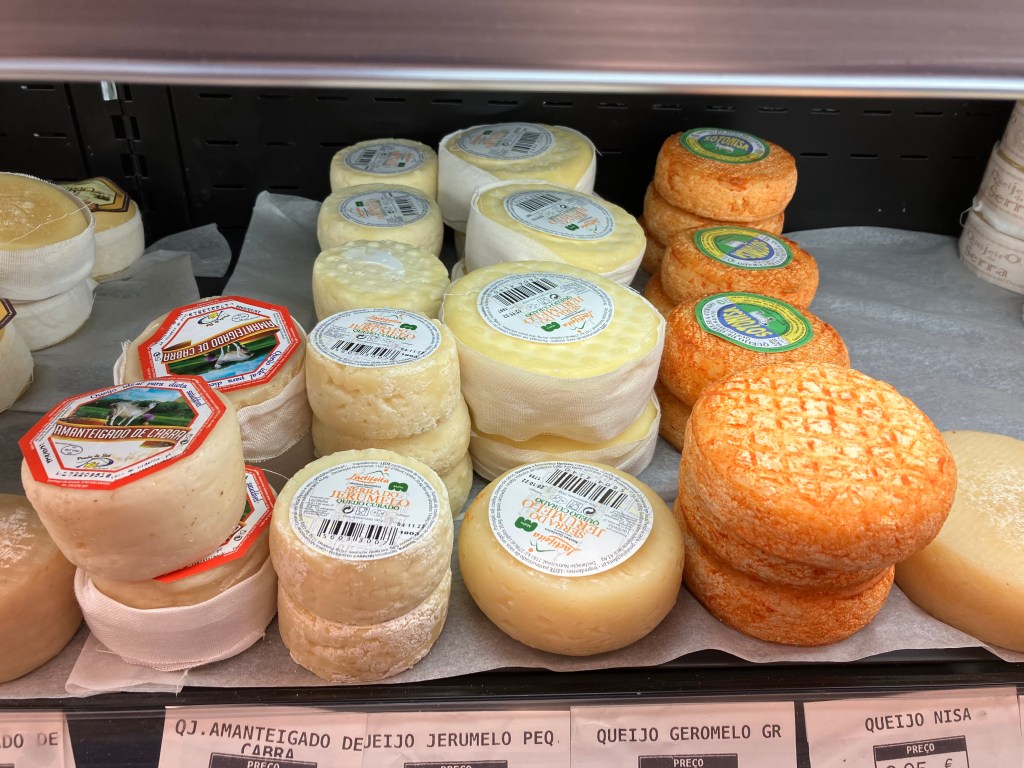
Cheeses of Southern Portugal in a Lisbon supermarket (top)

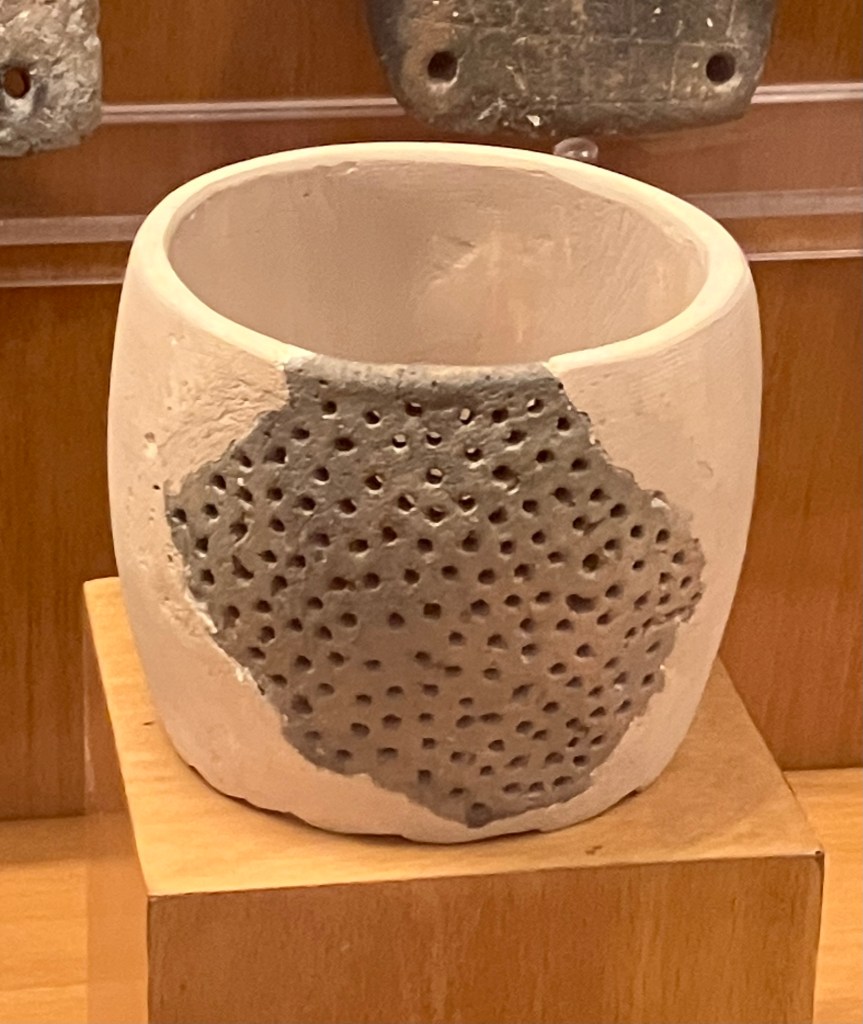
Copper Age cheese mold or strainer, Archaeological Museum, Lisbon (bottom)
Ep5: Cheeses of the Season – Spring

Milk is seasonal! And so is cheese. In this episode, we talk about how milk varies throughout the year, and a few cheeses that are at peak tastiness right now.

Show notes

Why milk seems the same year-round even though it isn’t naturally so

The relationship of feed and circadian rhythms in milk composition

A Tale of Two Cheeses – an illustration of the differences between winter and spring milk

Some spring cheeses to try – suggestions from a cheesemonger

Leaves in Cheesemaking

Cheeses mentioned in the show

Young goat cheeses: banon, cabecou, chabichou de Poitou, chavignol

Hard cheeses: Graviera, Manchego, Cantal, Ossau-Iraty, Salers

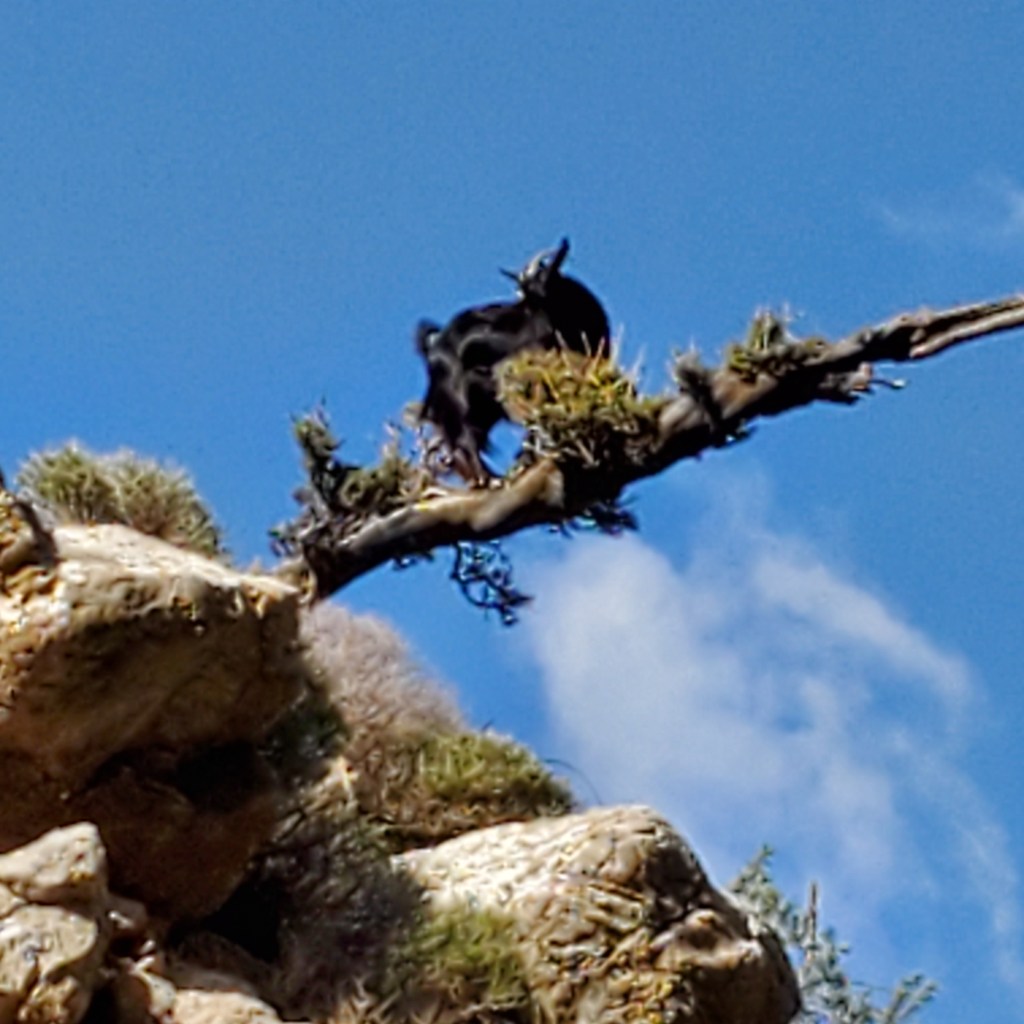
Goat on a tree limb

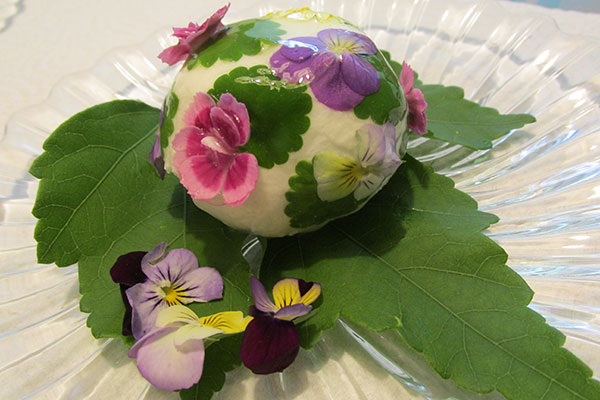
Flower-coated cheese image from A Better Whey blog

Music (Vivaldi La Primavera and Greek folk music) via Wikimedia

Cretan goat out on a limb in the Zakros Gorge image via Lisa Caywood

Ep 4: When Dairy Doesn’t Love You Back

Think you’re lactose-intolerant? Maybe, maybe not. Think being lactose-intolerant means you can’t eat cheese? Maybe you can.

In this episode, we talk about the various forms of dairy sensitivities, how the cheesemaking process transforms milk to make it more digestible, and what options you may have when dairy doesn’t love you back.

Sources and resources for this episode:

Post image and sound effects from Wikimedia

Ep 3: Touring the Cheese Kingdom

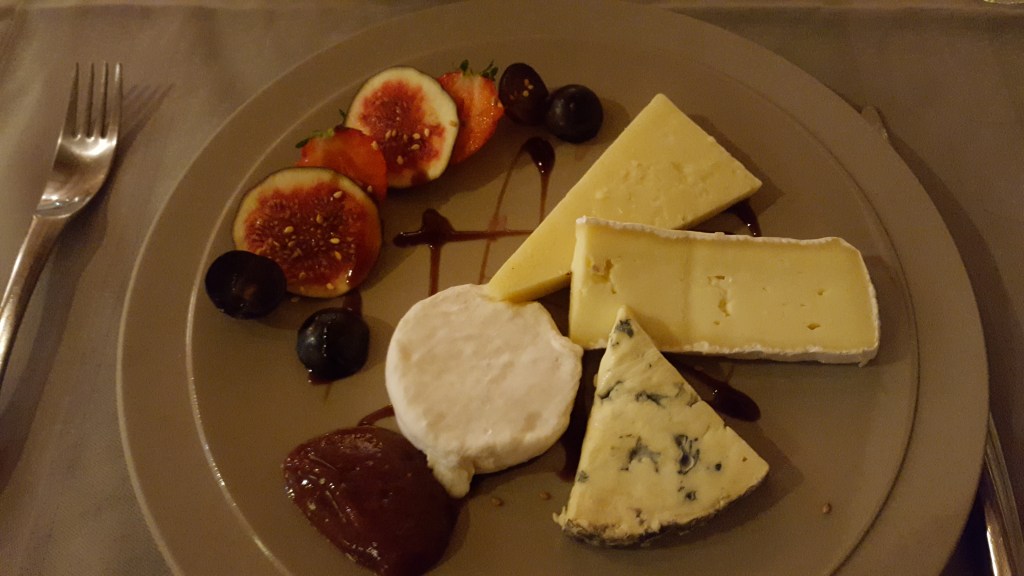
Cheese plate with lactic-set, bloomy rind, pressed and blue cheeses, accompanied by fresh fruits and quince syrup
Dessert in southwest France

In this episode, we get acquainted with the various phyla of the cheese kingdom–the lactic sets, the bloomies, the hard cheeses, the blues and more: what they are, a few examples of each type and suggestions of what to eat and drink with each. Be prepared for your next wine & cheese event!

Learn more about bloomy rind cheeses in Episode 7

Background music in this episode is drawn from Night on the Docks and OctoBlues via Wikimedia.

Episode 2: A Leap Towards Immortality

In which I walk through the entire process of making a cheese in under 22 minutes. We’ll talk about the main ingredients of cheese and how they work together to turn liquid milk into a solid that you can take to into the next life with you!

Show notes:

At the beginning of the episode I mention CheeseScience.org as a great resource if you get interested in the inner workings of cheese microbiology. For this episode, I recommend opening 10 Steps of Cheesemaking as a useful visual aid as you follow along, and Microbes 101 and Rennet 101 for further reading.

Many home cheesemaking books also provide a basic overview of the cheesemaking process in their first pages. The first chapter of Mastering Artisan Cheesemaking (see the Resources page) is one of the best.

Got questions about anything in this episode? (Probably a lot!) Drop me a line via the Contact page and I’ll be sure to get to it in a future episode.

Sound effects and classical-type music from https://www.zapsplat.com

Episode 1: Welcome to the Curdverse

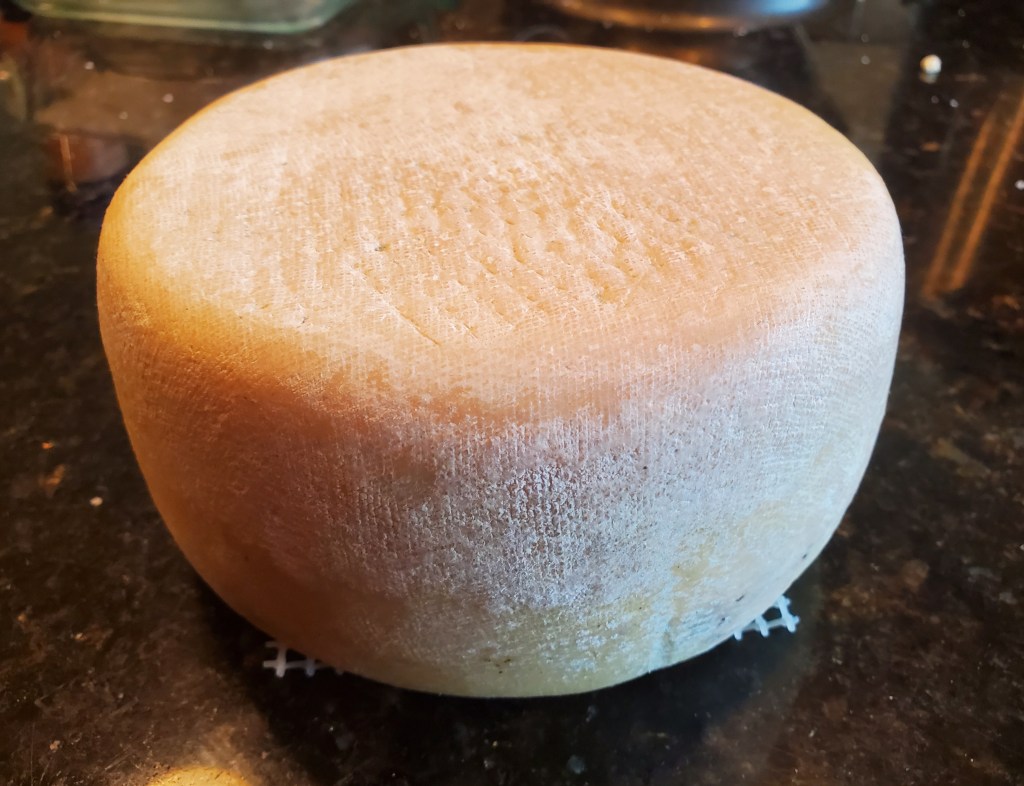
Sheep milk pecorino on black granite
Sheep milk pecorino

Have you ever found yourself in front of the cheese counter at your local supermarket and felt a bit bewildered? How do you choose between four kinds of Cheddar? What’s the difference between Brie and Camembert? How can one simple thing–milk–take on so many different forms?

This podcast is intended for the curd-curious: people who eat cheese on occasion, don’t necessarily know a lot about cheeses or how to choose between them, but are always up for learning something new. And for people who like cheese a lot. We’ll talk about lots of different kinds of cheeses, how they’re made, and how you can try them. There will be a bit of science as we go, a bit of history, and maybe some armchair travel to various places across Afro-Eurasia.

But first, we have to start with the most basic question: what is cheese?